How to start a recipe swap that preserves family food stories
· Editorial team newsfromportland24.com
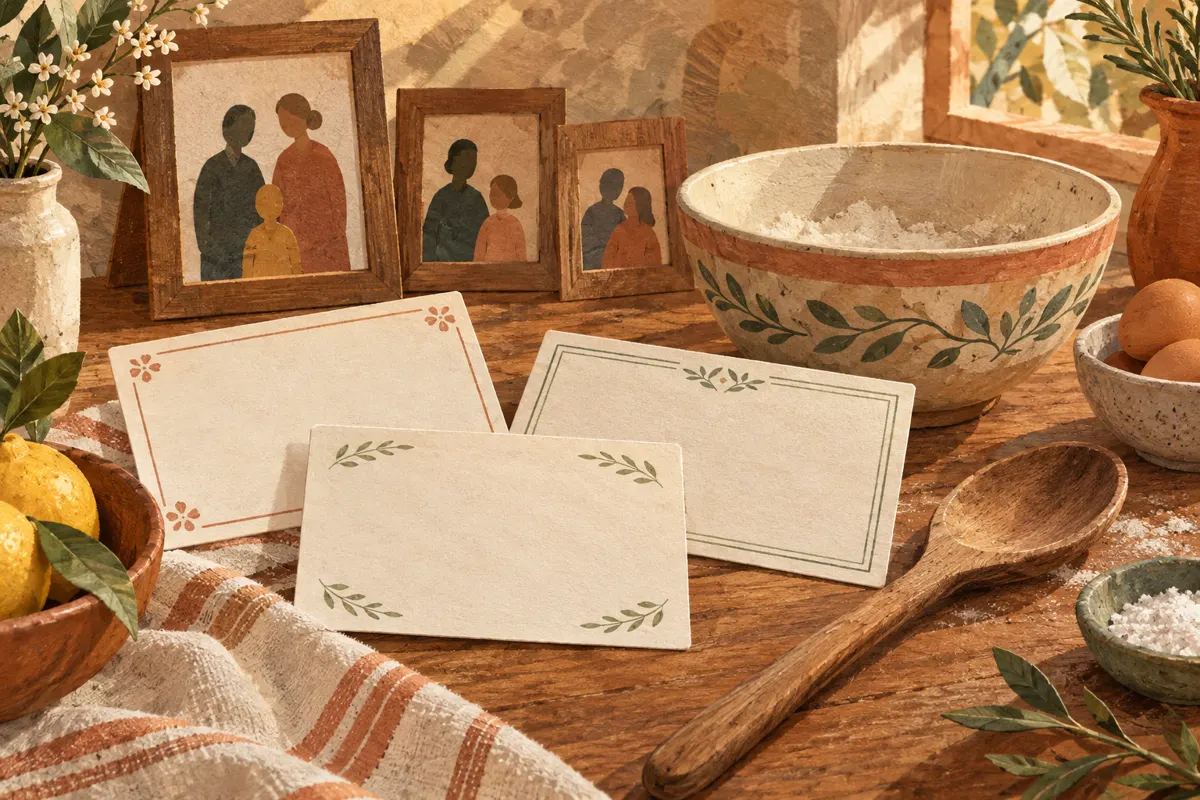
Start a family recipe swap by asking each person for one dish, clear cooking instructions and a short memory about it. Use the same template for every contribution, then gather the recipes into a shared document or binder. Keep the stories beside the instructions so the collection records both how to cook the food and why it matters.
Start with one recipe from each person
A manageable first round is more useful than an ambitious collection that stalls. Our proposal is to invite relatives or chosen family to contribute one recipe each, with a submission date and a clear plan for sharing the finished collection. Let people send typed notes, photographs of recipe cards or a voice recording you can transcribe.
Explain that everyday food belongs alongside celebration dishes. A familiar sandwich filling, weekday soup or recent family favorite can carry a story too. Someone who does not cook can contribute a memory, photograph or recollection of a meal. Ask before including personal stories or images, and agree on whether the collection will stay within the group.
Give everyone a usable recipe template
The following proposed template keeps contributions consistent without making them impersonal. Ask contributors to complete what they know and flag gaps. Preserve a photograph of the original card alongside the typed version when available; handwriting and margin notes can be part of the keepsake.
- Dish name and contributor: Include the name your family uses and who supplied this version.
- Recipe connection: Who taught you to make it, or where did you find it?
- Yield and equipment: State the number of servings or pieces, plus any important pan size or equipment.
- Ingredients: List amounts, units and preparation details in the order used.
- Method: Write numbered steps with temperatures, approximate timings and visible signs of readiness.
- Family story: Add a short memory, occasion or explanation of why you chose the dish.
- Variations and uncertainties: Record substitutions, different family versions and details that still need checking.
When a cook says “a cup,” clarify which measuring cup they use. When instructions say “until it looks right,” ask what changes in color or texture. Leave unresolved details marked as uncertain rather than supplying a plausible measurement yourself.
Ask for memories and origins separately
A recipe collection can hold photographs, handwritten notes and stories as well as cooking instructions. Both supplied sources describe these additions as ways to preserve family connections. To collect useful detail, ask about a particular person or moment rather than requesting a complete family history.
- Who made this dish when you were growing up, and what do you remember about their kitchen?
- When was it served: on ordinary evenings, for visitors or at a particular celebration?
- What sound, smell, utensil or small ritual do you associate with making it?
- Did it come from a relative, friend, cookbook, newspaper or another source?
- What have you changed, and which detail would you always keep?
Separate a remembered family connection from a verified origin. “My uncle learned this from his neighbor” is useful even when nobody knows its earlier history. If relatives remember events differently, attribute each account instead of choosing one as fact. Keep original dish names and diacritics, adding an explanation if readers need one.
Fill in the gaps by cooking together
A shared cooking session or short recording can capture techniques that written instructions leave unclear. The Moorings at Lewes suggests both cooking across generations and recording recipe tutorials. For your swap, focus on the specific steps another cook might struggle to repeat.
With permission, photograph how the dough should look or record the way someone folds a dumpling. Ask the cook to explain their cues while working. Add those observations to the method, then have the contributor review the wording. If someone makes the written recipe and finds a missing step, record the correction without erasing the earlier family version.
Assemble and share the first collection
Our proposed assembly process works for a shared document, a printed binder or a small booklet. Choose the format participants can comfortably read and use in the kitchen.
- Gather contributions in one folder, keeping original photographs and recordings with their corresponding recipes.
- Arrange recipes by meal, dish type or family occasion, and add a contents list.
- Give each recipe the same layout, with its contributor, story and variations beside the method.
- Send each entry to its contributor to check names, instructions and permission to share.
- Date the collection, distribute copies and keep a backup of the files.
End the first swap by inviting everyone to make another participant’s dish and share a memory or question. Keep a named contact for corrections and future contributions. The collection can grow gradually, with new recipes and stories added when people are ready.