How to keep a packed sandwich from getting soggy
· Editorial team newsfromportland24.com
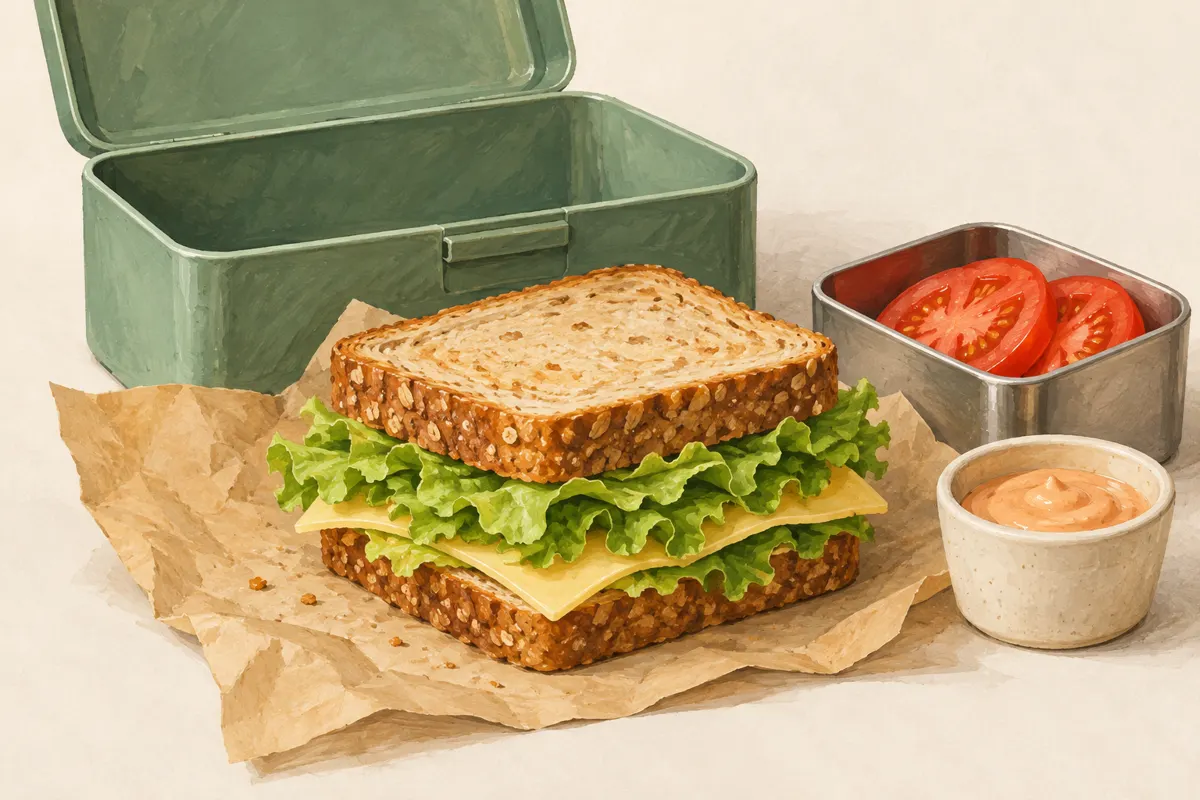
To keep a packed sandwich from getting soggy, dry the fillings, let toasted bread and cooked ingredients cool, and put the wettest ingredients in the middle. Pack juicy tomatoes and runny sauces separately when possible, then add them at lunch. These small changes reduce the moisture reaching the bread while your sandwich waits.
Start with bread that can handle the filling
Bread absorbs moisture from whatever touches it. A soft slice paired with juicy vegetables and a generous spread has more opportunity to become damp, especially when assembled the night before. A crusty roll, baguette, bagel or lightly toasted sliced bread gives you a sturdier starting point.
If you prefer ordinary sandwich bread, toast it lightly rather than making it hard all the way through. Let it cool completely before adding fillings or wrapping it. Warm toast can introduce trapped moisture, undoing some of the benefit of drying the surface. Toasting helps, but it cannot compensate for a very wet filling.
Dry the fillings before you assemble
Look for moisture you can remove without changing the sandwich you want to eat. Water left on washed greens, liquid clinging to pickles and steam from cooked vegetables all contribute to damp bread. A few minutes of preparation can make the rest of your packing routine more effective.
- Dry washed lettuce and other greens with a salad spinner or a clean towel.
- Drain pickles, olives and marinated ingredients, then pat away surface liquid.
- Let cooked fillings cool before putting them against the bread.
- Pack sliced tomatoes and juicy cucumber separately if the sandwich will sit for several hours.
Patting a tomato slice removes surface juice, but it does not stop the tomato from releasing more liquid later. For particularly juicy ingredients, keeping them separate is the more reliable option. The same principle applies to a filling that comes with plenty of dressing: keep that dressing away from the bread until lunch.
Build protective layers next to the bread
For a sandwich that needs to be ready to eat, place the driest ingredients nearest both slices of bread and wetter ingredients toward the center. Sliced cheese, cold cuts or a large, thoroughly dried lettuce leaf can help separate the bread from juicy fillings. Cover the bread's surface reasonably well rather than leaving a wet ingredient directly against an exposed corner.
- Start with cooled bread and, if you like, a thin coating of butter or mayonnaise.
- Add cheese, cold cuts or dry lettuce next to each slice.
- Place the remaining vegetables and other damp fillings in the center.
- Close the sandwich without pouring loose dressing over the layers.
These layers help limit contact; they do not make the bread waterproof. Mayonnaise is less likely to soak into bread than watery condiments, but a heavily dressed sandwich can still soften. Use a modest amount and keep extra sauce in a separate container.
Keep sauces separate until lunch
Mustard, hot sauce, ketchup and vinegar-based dressings add moisture as well as flavor. Packing them in a small leakproof container lets you add the amount you want just before eating. This is especially useful when you make lunch ahead or enjoy a sandwich with plenty of sauce.
For an overnight lunch, you can take separation further: put the bread in one container, stack the fillings in another and pack the sauce separately. At lunchtime, transfer the fillings onto the bread and add the sauce. This approach is useful for vegetable-heavy sandwiches whose texture matters more than having everything assembled in advance.
Wrap gently and protect it in the lunchbox
Once the ingredients are cool and dry, wrap the sandwich in parchment paper and place it in a container that protects it from being crushed. Parchment can absorb a little surface moisture; tightly enclosed plastic wrap holds moisture in. Neither wrapping method fixes a sandwich that already contains too much liquid.
A proposed morning routine is to cool the toast while drying the greens, drain any pickled ingredients, then assemble from dry layers to wet. Put the sauce and tomato slices in separate containers before packing everything. If lunch requires no assembly at all, choose less juicy fillings and keep the protective layers next to both slices of bread.